
Best IT Hardware Procurement Services for Small Business 2026
Hey there, small-biz owners. Ever feel like buying the right laptops and servers is a maze you didn’t sign up for? Let’s cut through the jargon. We’ll walk you through a hassle-free hardware procurement roadmap and show how a trusted partner can save you time, money, and headaches. In this article, we compare the best IT hardware procurement services for small business so you can pick the right partner for your needs.
1. Advatek , All-in-One Procurement Partner
When you need hardware fast and don’t want to manage the details, you need a partner who handles everything. That’s us. At Advatek, we combine vendor negotiation, bulk-discount buying, lifecycle management, and ongoing managed IT support. We don’t just drop off boxes. We configure devices, deploy them, and keep them updated with patches and security fixes. Our team also provides 24/7 monitoring, AI-driven threat detection, and compliance training. So you get one throat to choke , procurement, setup, and maintenance all in one.
We have deep relationships with major hardware OEMs, ensuring competitive pricing. And because we’re your managed IT provider, we ensure every new device meets your security and compliance needs. Whether you’re a healthcare practice under HIPAA or a finance firm needing SOC 2, we’ve got you covered. Learn more about our IT services.
Key Takeaway: Advatek is the only provider that packages procurement with full managed IT support , ideal if you want one partner for the whole lifecycle.
2. Automation-First Procurement Platforms , Simplified Ordering
Some businesses prefer a self-serve platform that automates ordering. These tools handle repetitive tasks like approving purchase requests, comparing prices, and placing orders. They cut down on manual work and reduce errors. For example, one procurement-as-a-service model automates bill of materials management and vendor coordination. It’s ideal if you have a technical team that wants to stay in control but speed things up.

These platforms save your engineers from wasting 25% of their time on procurement tasks , a stat that’s been widely cited. They also provide real-time spend visibility, so you can catch budget overruns early. The downside? You still need to manage integration with your existing systems and handle exceptions manually. If your team is small, a fully automated platform might feel like overkill. But for fast-growing companies, it’s a major change.
Pro Tip: Look for platforms that offer approval workflows and policy enforcement. That way, even if you automate, you keep control.
3. Managed IT Hardware Vendors , Full Lifecycle Support
Some providers specialize in delivering hardware with full lifecycle support , from planning to disposal. They help you assess needs, recommend specs, source from multiple vendors, and handle installation. Post-deployment, they offer break-fix and upgrade services. This is great if you don’t have an internal IT team. One example is a managed IT provider that combines procurement with managed IT, covering everything from vendor negotiation to patching. But unlike Advatek, they don’t explicitly integrate compliance tools. Check that the provider you choose aligns with your industry regulations.
Another option is a different managed IT provider, which offers hardware procurement as part of its managed IT services for growing offices. But again, compliance details are vague. If you need explicit support for standards like HIPAA or SOC 2, you’re better off with Advatek. Full-lifecycle vendors typically charge a monthly fee or per-project markup. Ask about their asset disposal process , you want to avoid data security risks when retiring old gear.
“The best time to think about hardware disposal is before you buy.”
4. Budget-Focused Procurement Agencies , Cost Optimization
If your main goal is saving money, work with an agency that specializes in cost optimization. They negotiate hard on your behalf, consolidate suppliers to get volume discounts, and audit your existing spend to find waste. on IT cost optimization, key strategies include supplier consolidation, using spend data for tiered discounts, and using approved vendor catalogs to curb maverick spend. These agencies do exactly that , they bring procurement expertise without a long-term managed IT contract.
However, keep in mind that cost-focused agencies may cut corners on quality or compliance. Make sure they understand your industry needs. For example, a healthcare practice can’t just buy the cheapest laptops if they don’t meet HIPAA encryption standards. A good budget agency will balance cost with requirements. They often charge a percentage of savings or a flat fee per project. This can be a smart choice if you have a one-time purchasing need, like outfitting a new office. But for ongoing support, you’ll likely need a partner like Advatek that combines cost savings with service.
5. Compliance-Centric Procurement Services , Risk Managed
For regulated industries, buying hardware isn’t just about price. You need every device to meet specific compliance standards. Providers like Advatek and other compliance-focused providers explicitly integrate compliance into procurement. According to research, some providers cite ISO 27001, SOC 2, NIST, GDPR, and HIPAA alignment. But many providers are silent on compliance. That’s risky. A compliance-centric service will vet suppliers for security certifications, ensure proper data wiping on old devices, and document the entire chain of custody.
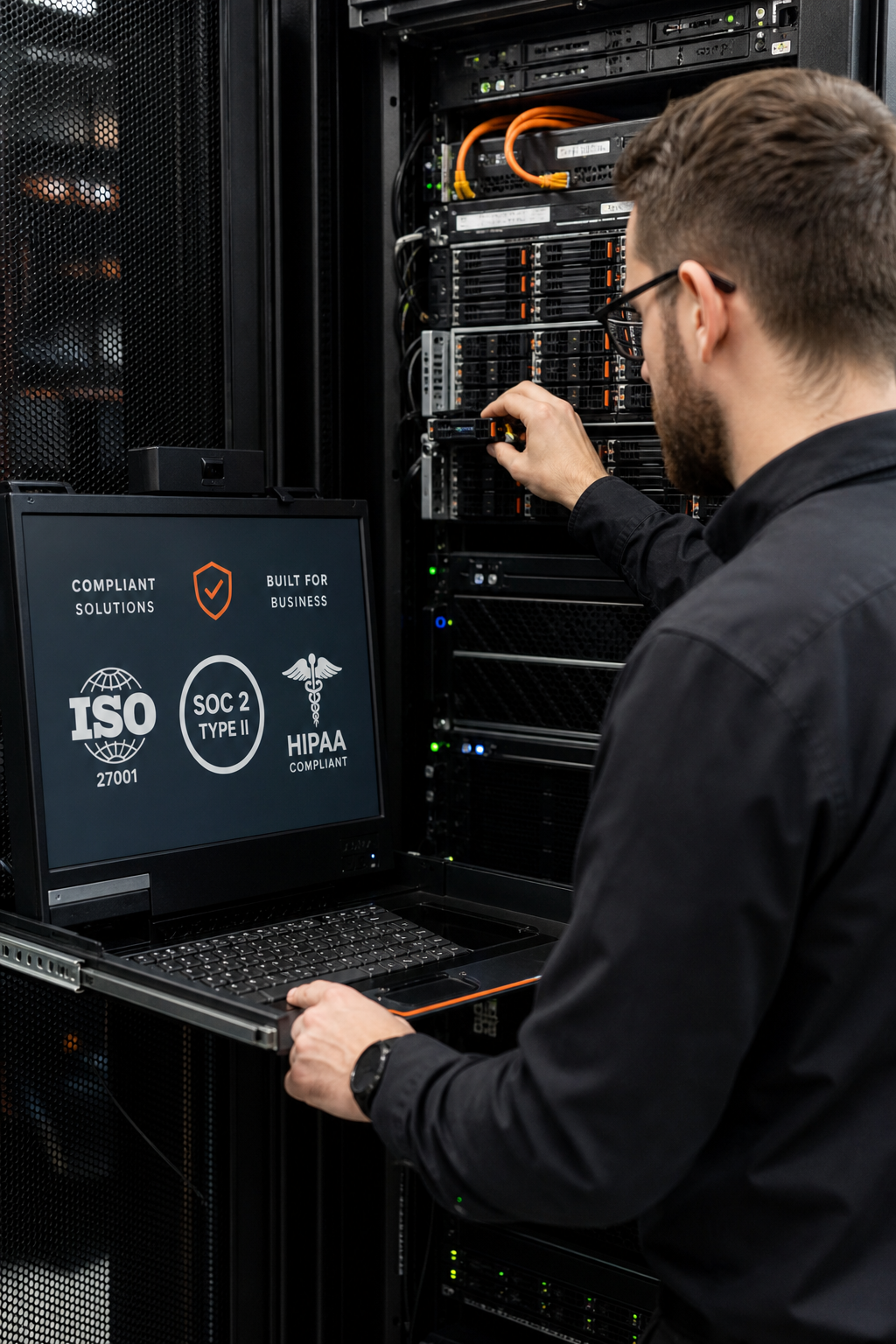
When evaluating a service, ask: Do they have a compliance officer? Can they provide auditable trails? Do they support your specific regulation? If you’re in healthcare, finance, or government, this should be a top priority. The cost of non-compliance can far outweigh any hardware savings. A dedicated compliance partner will also keep you updated on changing regulations.
6. Sustainability-Focused Hardware Sourcing , Green IT
More small businesses care about their environmental footprint. Sustainability-focused procurement services help you buy energy-efficient devices, source certified refurbished hardware, and responsibly recycle old equipment. They align with regulations like the WEEE Directive and help you meet ESG goals. These providers often partner with manufacturers that have eco-labels like EPEAT or Energy Star.
Green IT sourcing can also save money. Refurbished hardware costs 30-50% less than new, and many suppliers offer warranties. Plus, proper recycling avoids potential fines for improper e-waste disposal. If your business touts sustainability, choose a provider that can document the carbon savings. Some even offer carbon offset programs for hardware purchases.
7. Collective Buying Groups , Pooled Purchasing Power
Small businesses often lack the volume to get deep discounts. Collective buying groups pool demand across multiple companies to negotiate better pricing with manufacturers. Groups like major IT distributors’ services (or similar) let you access enterprise-level deals. This works best for standardized hardware like laptops and monitors. The group handles the negotiation; you place orders through their portal.
However, you may have limited choice in brands or models, and the group may take a cut. Still, if you’re a very small team, this can be a quick win. Look for buying groups that are industry-specific , for example, a healthcare cooperative might have negotiated rates for medical-grade tablets. The key is to ensure the group’s vendors meet your compliance needs.
8. Procure-to-Pay Software , Automated Procurement
Procure-to-pay (P2P) software automates the entire purchase cycle from requisition to payment. Tools like popular cloud-based P2P platforms help you manage approvals, create purchase orders, match invoices, and track budgets. They integrate with your accounting system to prevent overspend. For small businesses, cloud-based P2P platforms are affordable and easy to set up.
The catch: P2P software still requires you to negotiate your own vendor contracts. It’s an automation layer, not a procurement service. If you already have preferred suppliers, P2P software simplifies the process. But if you need help finding and vetting suppliers, you’ll want a full-service partner. Some providers offer both software and advisory, but that can get pricey.
9. White-Glove Deployment Services , Setup & Support
Sometimes you just want someone to take care of everything from unboxing to final configuration. White-glove deployment services handle imaging, software installation, network configuration, and even on-site setup. They also manage recycling of old equipment. Some specialized procurement providers offer hardware sourcing with deployment and ongoing support. This is perfect if your team has zero IT skills or you’re rolling out devices to multiple locations.
These services charge a per-device fee or a project rate. They often include a warranty and break-fix for the first year. The downside is you may not get the best hardware pricing because you’re paying for convenience. But the time savings can justify the cost. For a one-time office refresh, white-glove can be a lifesaver. For ongoing needs, consider a managed IT partner like Advatek that includes deployment in its monthly fee.
10. Vendor-Negotiation Specialists , Best Pricing
Some procurement services focus solely on getting you the best price. They have deep relationships with distributors and know how to squeeze margins. They work on contingency , you pay a percentage of the savings they achieve. If they can’t beat your current pricing, you pay nothing. This model is great for large purchases where the savings potential is high.
But there’s a trade-off: they may prioritize price over other factors like delivery timeline or warranty. Make sure you have a clear spec sheet so they don’t swap in cheaper, lower-quality items. Also, these specialists typically don’t handle deployment or ongoing support. So you’ll need to manage that separately. For one-time buying sprees, they can be a cost-effective addition to your procurement toolkit.
11. Hybrid IT Procurement Consultants , Strategic Advisory
If you want a partner who thinks long-term, consider a hybrid procurement consultant. They analyze your existing tech stack, forecast future needs, and create a multi-year hardware roadmap. They also negotiate contracts and manage vendor relationships. This approach is common in enterprise, but some boutique firms serve SMBs. They charge a monthly retainer or project fee.
Hybrid consultants are ideal if you’re planning significant growth or a digital transformation. They ensure you buy the right equipment today that won’t be obsolete tomorrow. They can also advise on cloud vs. on-premise decisions. The downside: you still need someone to implement and support the hardware. That’s where a full-service partner like Advatek comes in. We can act as both the consultant and the executor.
How to Choose the Right IT Hardware Procurement Service
Picking the right service depends on your specific needs. Here’s a quick checklist:
- Assess your internal IT skills. If you have none, go for a full-service managed IT provider like Advatek that handles everything. If you have a tech-savvy team, you might prefer a self-serve platform.
- Check compliance requirements. For healthcare, finance, or government, choose a provider that explicitly supports your regulations.
- Compare total cost. Look beyond per-device price. Factor in deployment, support, and disposal. A slightly higher upfront cost may save you money long-term.
- Evaluate scalability. Will the service grow with you? Can they handle multi-location rollouts?
- Read contract terms. Are you locked in? What’s the exit process? Testimonials from similar businesses matter.
Conclusion
Buying IT hardware for your small business doesn’t have to be a headache. Whether you choose an all-in-one partner like Advatek, an automation-first platform, or a budget-focused agency, the key is to match the service to your team’s capabilities and compliance needs. We’ve seen too many businesses buy cheap gear that doesn’t meet their security standards, or waste weeks managing vendors when they should be focused on growth. Our advice? Start with a partner that offers both procurement and managed IT support. That way, you get the best pricing, smooth setup, and ongoing maintenance , all in one reliable partnership. Ready to simplify your hardware buying? Try Advatek free for a no-obligation consultation. We’ll audit your current setup and show you how much you can save.
Frequently Asked Questions
What is IT hardware procurement for small business?
IT hardware procurement is the process of sourcing, purchasing, and managing the lifecycle of physical technology assets like computers, servers, network equipment, and peripherals. For small businesses, it often involves needs assessment, vendor negotiation, purchase order management, delivery coordination, and ongoing support. Outsourcing to a service provider can save time and money.
Why should a small business use an IT hardware procurement service?
Small businesses rarely have dedicated procurement staff. Using a service gives you access to volume discounts, expert vendor relationships, and compliance assurance. It also frees your team to focus on core operations. Providers like Advatek bundle procurement with managed IT, so you get ongoing support without hiring additional personnel.
How much do IT hardware procurement services cost?
Costs vary widely. Some services charge a flat project fee (e.g., $500, $2,000 per acquisition), while others take a percentage of savings (10, 20%). Managed IT providers like Advatek include procurement in a monthly service fee ($100, $250 per user per month). Always ask for a detailed quote and compare total cost of ownership.
What should I look for in a procurement partner?
Look for industry experience, compliance certifications, transparent pricing, and strong vendor relationships. Check if they offer deployment and support. Read reviews or ask for references from businesses similar to yours. Avoid partners that are vague about their procurement process or compliance documentation.
Can I combine procurement with managed IT services?
Yes, many providers offer both. Advatek, for example, is a true hybrid: we handle hardware sourcing and also manage your IT infrastructure post-deployment. This simplifies vendor management and ensures your hardware stays secure and up to date. It’s often more cost-effective than using separate firms.
How long does IT hardware procurement take?
Timelines vary based on order size and customization. Standard orders for laptops and desktops typically take 2, 4 weeks from order to delivery. Larger server orders can take 6, 8 weeks. Expedited shipping is possible but may add cost. A good procurement partner will set clear expectations and keep you informed at every stage.
What are the benefits of collective buying groups for small businesses?
Collective buying groups pool purchasing power across multiple companies, unlocking discounts that individual small businesses couldn’t negotiate alone. This is especially useful for standardized IT equipment like laptops, monitors, and printers. However, you may have limited brand choices, and the group’s vendor selection may not meet specialized compliance needs.
Is financing available for IT hardware purchases?
Many procurement partners offer financing options, either directly or through third parties. For example, some providers partner with third-party lenders to offer small business loans for technology investments. Always compare interest rates and terms before financing. Leasing is another option that spreads costs over time.
Download Franchise Information Report
Want to learn more about opening your own franchise? Fill out this form to get started: