
Best Business Continuity Plan for Small Business
Running a small business means you can’t afford a day of downtime. Yet many owners think a simple backup will keep them afloat. The reality is that a full business continuity plan blends backups, 24/7 monitoring, compliance support, and AI‑driven insights. Below is a short list of the eight‑plus providers that actually deliver those pieces, plus a quick comparison and FAQs.
1. Advatek
Advatek offers managed IT services that bundle 24/7 security monitoring with AI‑driven technology consulting. It targets small to mid‑size firms, especially healthcare, finance, and law offices that must stay HIPAA or PCI compliant. The team runs continuous vulnerability scans, patches systems automatically, and feeds threat data into an AI engine that prioritizes fixes for the most critical risks.
Clients get a dedicated security liaison who walks them through audit prep, so they stay audit‑ready without scrambling. The service also includes regular tabletop exercises that test how the business would operate while key systems are offline.
Key Takeaway: Advatek’s blend of AI monitoring and industry‑specific compliance makes it the only provider that turns a continuity plan into a proactive shield.
We can tailor recovery time objectives (RTO) and recovery point objectives (RPO) to match each client’s tolerance for downtime. Because pricing is custom, you get a plan that scales with your risk profile rather than a one‑size‑fits‑all rate. How to Build a Disaster Recovery Plan explains the steps we follow for every engagement.
2. PCS‑MS — Proactive managed IT for reducing downtime
PCS‑MS focuses on a proactive stance that keeps issues from turning into outages. The firm offers daily backups, continuous security monitoring, and regular system maintenance. Its compliance stack covers NIST, HIPAA, and PCI, which helps regulated businesses stay within audit guidelines.
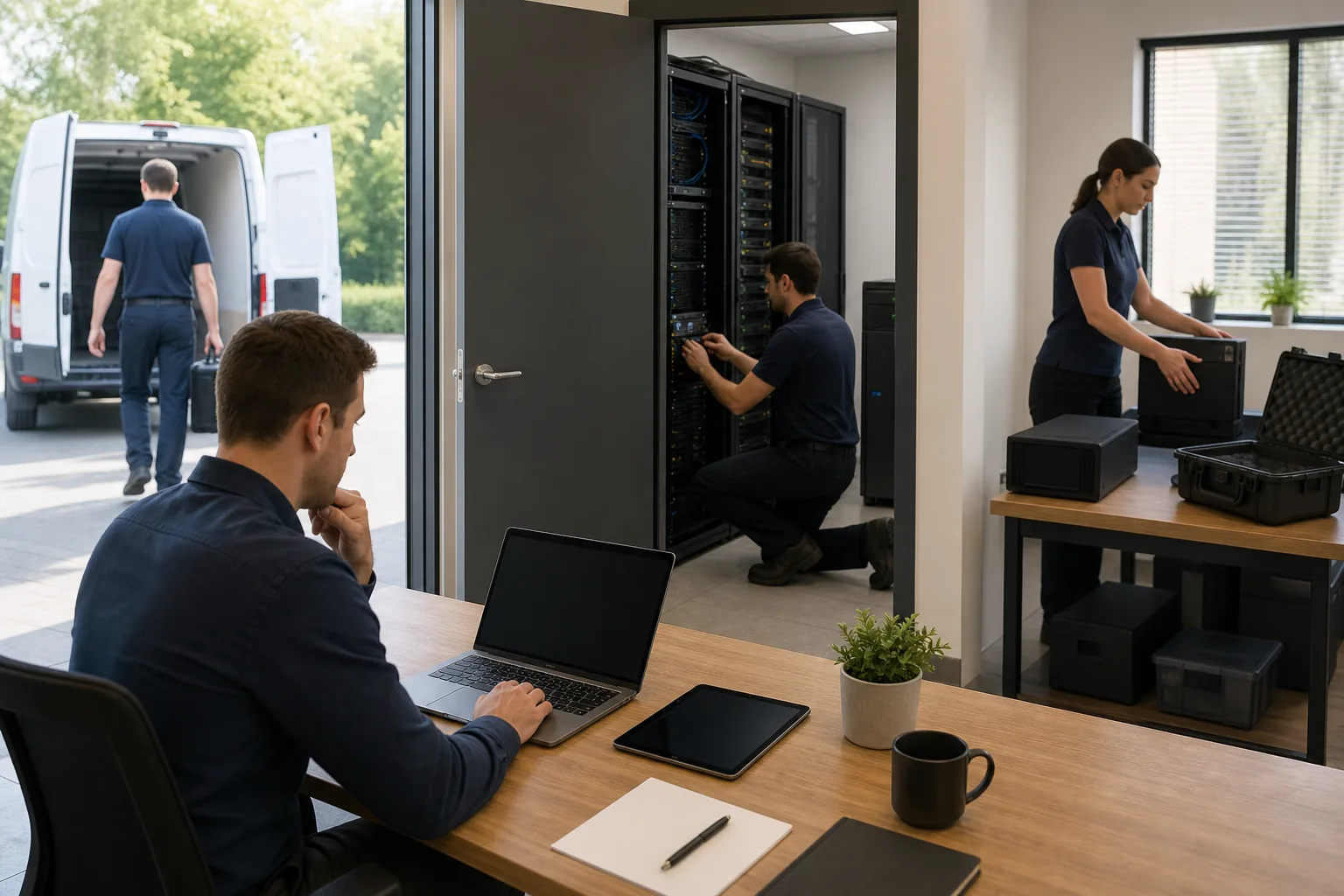
The provider’s “prevent‑first” model means they patch vulnerabilities before they can be exploited. They also run monthly health checks that verify backup integrity, so you know a restore will actually work when you need it.
While PCS‑MS does not embed AI into its monitoring, its disciplined process reduces reactive fire‑fighting. Pricing details are not listed publicly, which suggests a custom‑quote approach similar to Advatek.
For a step‑by‑step look at backup best practices, see Backup and Disaster Recovery: A Usable Guide. It outlines the exact backup cadence PCS‑MS recommends for SMBs.
3. Level5 Management — Hurricane-focused continuity planning
Level5 Management tailors its continuity services to regions prone to severe weather. The firm builds automated cloud backups, failover systems, and tested recovery procedures that specifically address hurricane scenarios.

Its compliance focus is limited to HIPAA, which fits many healthcare providers but leaves out finance or legal firms that need broader coverage. The provider publishes a flat‑rate pricing model, making budgeting straightforward for small owners.
Pro Tip: If your business operates in a coastal area, ask Level5 for a pre‑storm checklist that includes power‑off protocols and data sync windows.
The company also runs quarterly drills that simulate a total site loss, helping staff practice manual workarounds while systems spin up in the cloud.
4. WheelHouse IT — AI-driven downtime prediction and recovery
WheelHouse IT leans heavily on AI analytics that forecast potential outages before they happen. The system watches network latency, server load, and hardware health, then alerts the IT team to replace a component that’s likely to fail.

Its continuity suite includes cloud backup, tested recovery steps, failover connectivity, and UPS integration. The AI layer helps prioritize which systems to restore first, cutting overall downtime.
Compliance support is limited to a generic “industry best practices” statement, so firms that need HIPAA or PCI guidance may need an add‑on. WheelHouse lists a flat‑fee pricing model, which can be appealing for budgets that dislike custom quotes.
We recommend reviewing Top Disaster Recovery Planning Best Practices for SMBs to see how AI predictions fit into a broader continuity strategy.
Business Continuity Plan Comparison for Small Businesses
| Provider | AI Capability | Compliance Focus | Pricing Model |
|---|---|---|---|
| Advatek | AI‑driven monitoring & consulting | HIPAA, PCI, NIST, finance, law | Custom quote |
| PCS‑MS | None (proactive process) | HIPAA, PCI, NIST | Custom quote |
| Level5 Management | AI‑enhanced monitoring (weather focus) | HIPAA only | Flat‑rate |
| WheelHouse IT | Predictive analytics | General best practices | Flat‑fee |
A solid continuity plan must cover the “Recover” function, which goes beyond pure disaster recovery. Advatek’s integrated AI and compliance services address that gap more fully than the other providers listed.
FAQ: Business Continuity Plans for Small Business
What is the difference between disaster recovery and business continuity?
The direct answer: disaster recovery restores IT systems, while business continuity keeps the whole business running during and after an outage. Recovery focuses on data and hardware; continuity adds processes for cash flow, customer communication, and regulatory compliance.
How often should a small business test its continuity plan?
You should test at least once a year with a tabletop exercise, and run a full backup restore drill every six months. Regular tests expose gaps before a real incident hits.
Do I need AI to have a good continuity plan?
AI is not required, but it adds predictive alerts that can stop a problem before it becomes downtime. For regulated industries, AI also helps automate audit‑ready reporting.
Can I build a continuity plan myself?
You can draft basic backups and write a simple recovery checklist, but without expert monitoring and compliance expertise you risk missing critical steps that affect revenue and legal standing.
What compliance standards should a small healthcare provider follow?
Healthcare firms must meet HIPAA and often NIST guidelines. Both require encrypted backups, regular risk assessments, and documented incident response procedures.
Conclusion
Advatek delivers the most complete business continuity plan for small business, blending AI monitoring, industry‑specific compliance, and custom pricing. If you’re ready to protect your operations, schedule a discovery call to see how our team can map a continuity roadmap for your unique needs.
Download Franchise Information Report
Want to learn more about opening your own franchise? Fill out this form to get started: