
Best Dental Cybersecurity Services for 2026
Dental offices hold a treasure trove of patient data, and a breach can shut you down overnight. Below are the five dental cybersecurity services that actually keep your practice safe, and who each one is best for.
1. Advatek (Our Top Pick) , Full‑service dental cyber defense
Advatek provides 24/7 security monitoring, AI‑driven threat detection, and HIPAA‑focused compliance training all in one bundle. We can handle everything from patch management to secure email hosting, so your team can focus on patients instead of fire‑drills. The service shines for practices that need a single vendor to cover both tech and regulatory needs. A real‑world example: a mid‑size orthodontic clinic reduced ransomware‑related downtime by 90% after we deployed continuous AI monitoring.The only downside is that pricing is quote‑based, which can make budgeting a bit opaque for very small offices.
Key Takeaway: Continuous AI alerts plus staff training close the biggest compliance gaps.
Learn more about our full suite at Advatek cybersecurity services.
2. Threat monitoring for dental practices
A threat monitoring service builds its core on models that flag suspicious activity in real time. It integrates with most practice‑management platforms, sending alerts straight to the admin console. The service is ideal for solo practitioners who want high‑tech eyes on their network without a full‑time security team. A limitation is that it does not include dedicated compliance‑training modules, so you’ll need a separate HIPAA course.
Pro Tip: Pair the monitoring service with regular staff phishing simulations for layered protection.

3. Managed security with 24/7 monitoring
The service offers round‑the‑clock monitoring staffed by security analysts who investigate every alert. It pairs a managed firewall with endpoint detection and response, giving small chains a security operations center feel without the overhead. The solution works well for multi‑location practices that need consistent policy enforcement across sites.
One caveat: the solution leans heavily on third‑party antivirus engines, so you may see occasional overlaps with existing AV tools.
4. Cloud‑based secure email & data encryption
A cloud‑based secure email and data encryption service focuses on protecting the data that travels through email and cloud storage. It encrypts messages end‑to‑end and adds granular access controls for shared files. Dental offices that rely heavily on electronic referrals and patient portals find such solutions especially useful.
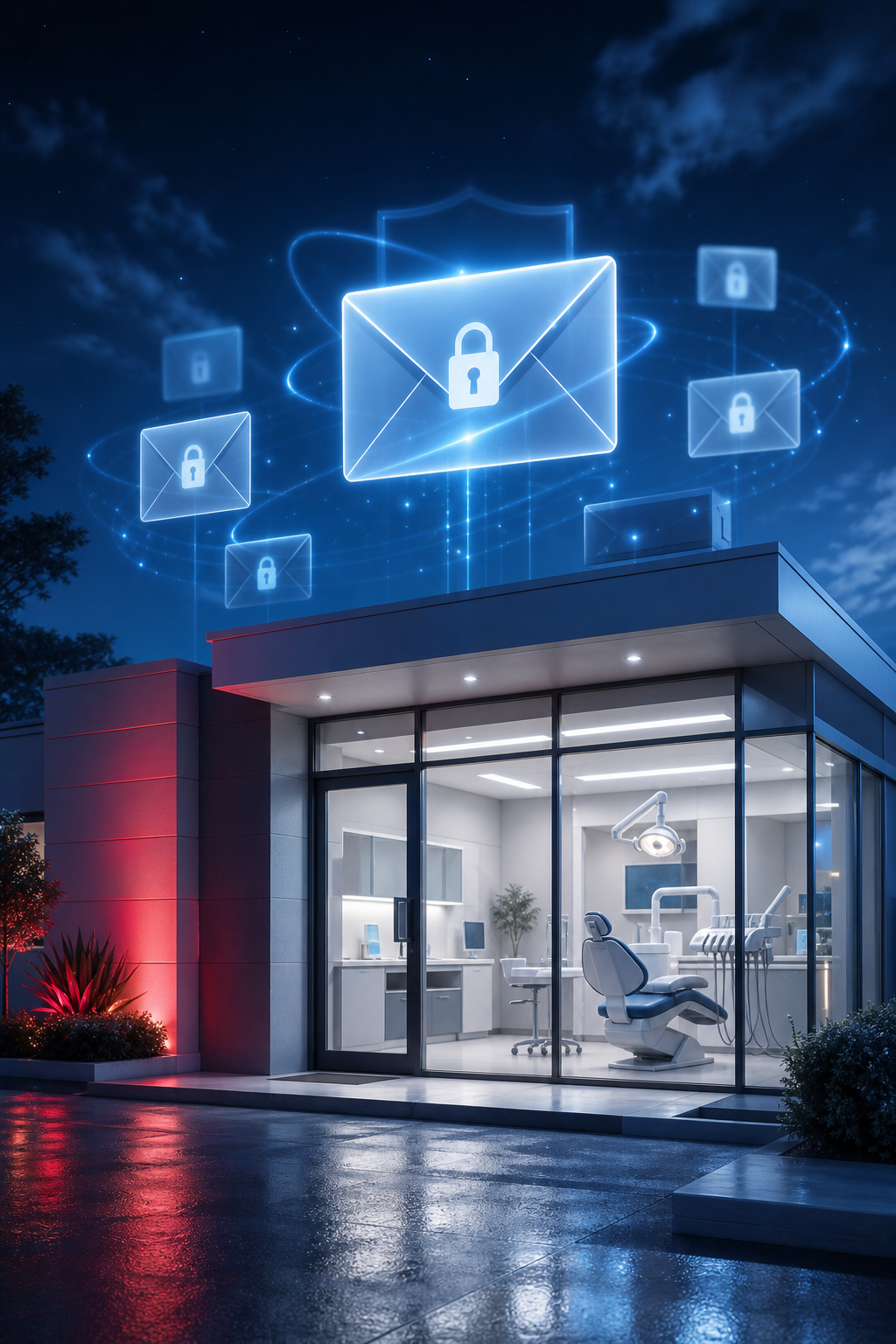
The service includes a simple admin dashboard, but it does not provide full‑network intrusion detection, so you’ll still need a firewall or IDS elsewhere.
5. Compliance‑focused managed IT for clinics
The service builds its offering around HIPAA compliance checklists, regular risk assessments, and backup‑as‑a‑service. It’s a solid pick for practices that already have basic antivirus in place but lack a formal compliance program. The team conducts quarterly staff training and assists with breach‑notification paperwork.
A drawback is that the platform’s threat‑monitoring features are limited to signature‑based detection, so advanced zero‑day attacks may slip through.
Healthcare data breaches have risen sharply, underscoring why a dedicated compliance partner matters.
How to Choose the Right Dental Cybersecurity Partner
First, confirm that the vendor covers both threat detection and HIPAA training; most providers only do one or the other. Second, ask for a clear incident‑response SLA , you need to know who will act when a breach hits. Third, verify that the provider can integrate with your practice‑management software without breaking workflows.
We recommend reviewing our tech tips for a checklist that maps common dental IT stacks to security controls.
Finally, check the provider’s track record. Attackers often target small clinics because they lack strong defenses.
Comparison Table: Key Features of Top Dental Cybersecurity Services
FAQ
What is the most common cyber threat to dental practices?
Ransomware is the most common threat; it encryptes files and holds them hostage until a ransom is paid. Dentists often fall for phishing emails that deliver the malware.
Do I need a separate email encryption service?
Not always. Some providers bundle encryption with their security platform, but if your practice sends a lot of patient records via email, a dedicated email encryption solution can add an extra layer of protection.
How often should I train my staff on HIPAA security?
We recommend quarterly training sessions plus annual simulated phishing campaigns. Regular refreshers keep security habits fresh and reduce human error.
Can I get a free security assessment?
Many vendors, including Advatek, offer a no‑cost risk assessment that reviews your current controls and highlights gaps before you sign a contract.
Is cloud backup enough to survive a ransomware attack?
Cloud backup is essential, but you also need to test restoration regularly. Without tested backups, you may still lose data or spend weeks rebuilding systems.
Ready to protect your practice? Start with a free risk scan from Advatek and lock down your data before the next attack hits.
Download Franchise Information Report
Want to learn more about opening your own franchise? Fill out this form to get started: