
Best HIPAA Compliant AI Tools for Healthcare
Finding AI tools for healthcare that support patient data privacy can feel like hunting for a needle in a haystack. Some options are designed for healthcare workflows, but fit depends on the tool and how it is configured and managed. Below is a short list and a quick way to compare them; a qualified IT service provider can help assess implementation.
We analyzed 29 comments and questions from Reddit, Quora and YouTube about HIPAA‑Compliant AI tools and found that 38% mentioned PHI leakage in AI outputs.
1. Suki AI: Clinical documentation support for care teams
Suki AI is a HIPAA‑compliant medical assistant that helps clinicians with documentation.

It’s best for doctors who spend too much time typing and need more face‑time with patients.
Suki AI supports clinical documentation assistance and voice‑enabled commands for clinicians. A qualified IT service provider can help a care team assess how this tool fits its workflows and manage implementation, privacy, and cybersecurity considerations. Implementing AI without professional IT guidance can be complex, so teams should review data handling and access needs before use.
2. Microsoft Dragon Copilot: Ambient clinical documentation
Microsoft Dragon Copilot offers an AI‑driven scribe that creates clinical notes in real time.
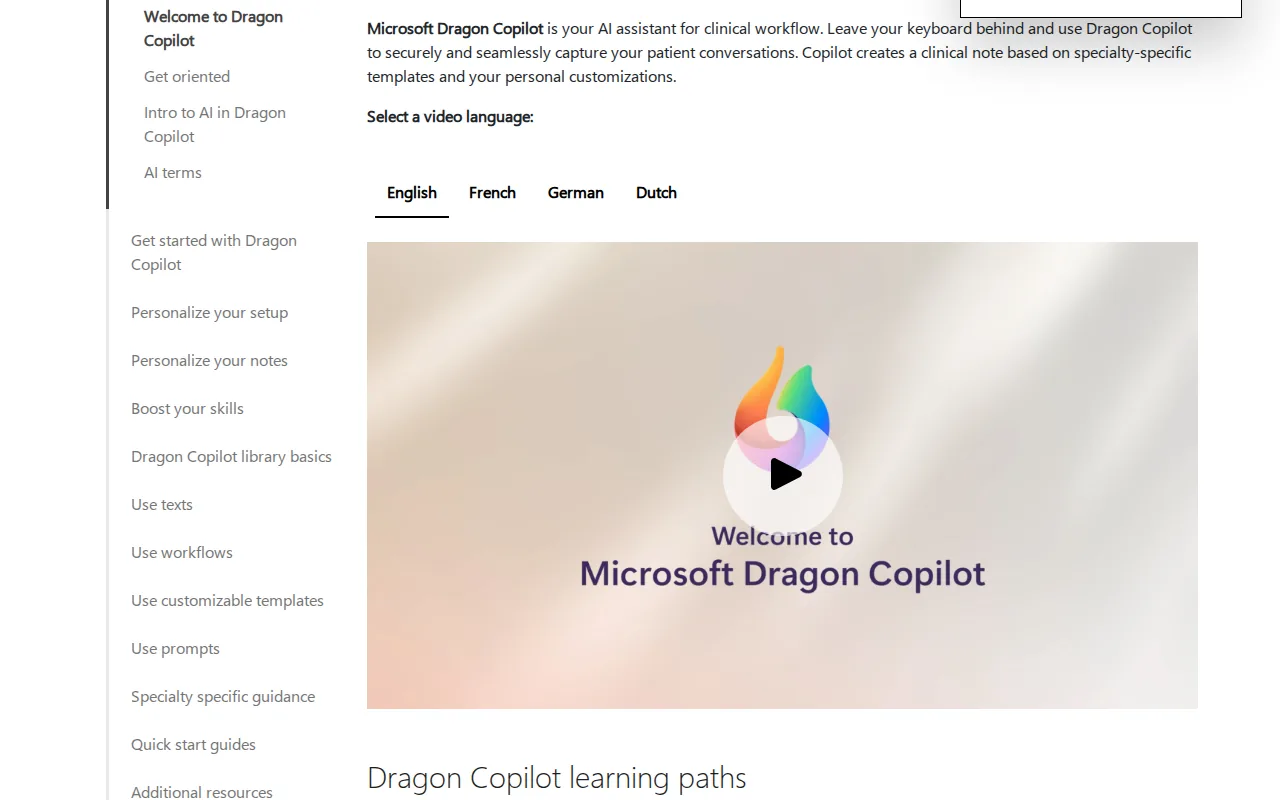
It’s built for health systems that want to embed AI directly into their electronic health record (EHR) workflow.
The Copilot listens to the clinician’s conversation, extracts key data points, and populates the appropriate fields in the EHR. Microsoft backs the service with a Business Associate Agreement, HITRUST certification, and FedRAMP‑authorized cloud infrastructure. The cloud‑only SaaS model means there’s no on‑premise option, a detail that many smaller practices need to plan for.
Because the product is tightly coupled with Microsoft’s ecosystem, organizations that rely on non‑Microsoft EHRs may need extra integration work.
3. ChatGPT for Healthcare by OpenAI: General‑purpose AI under healthcare controls
OpenAI’s current HIPAA-eligibility documentation lists ChatGPT for Healthcare as available under an OpenAI Business Associate Agreement (BAA).
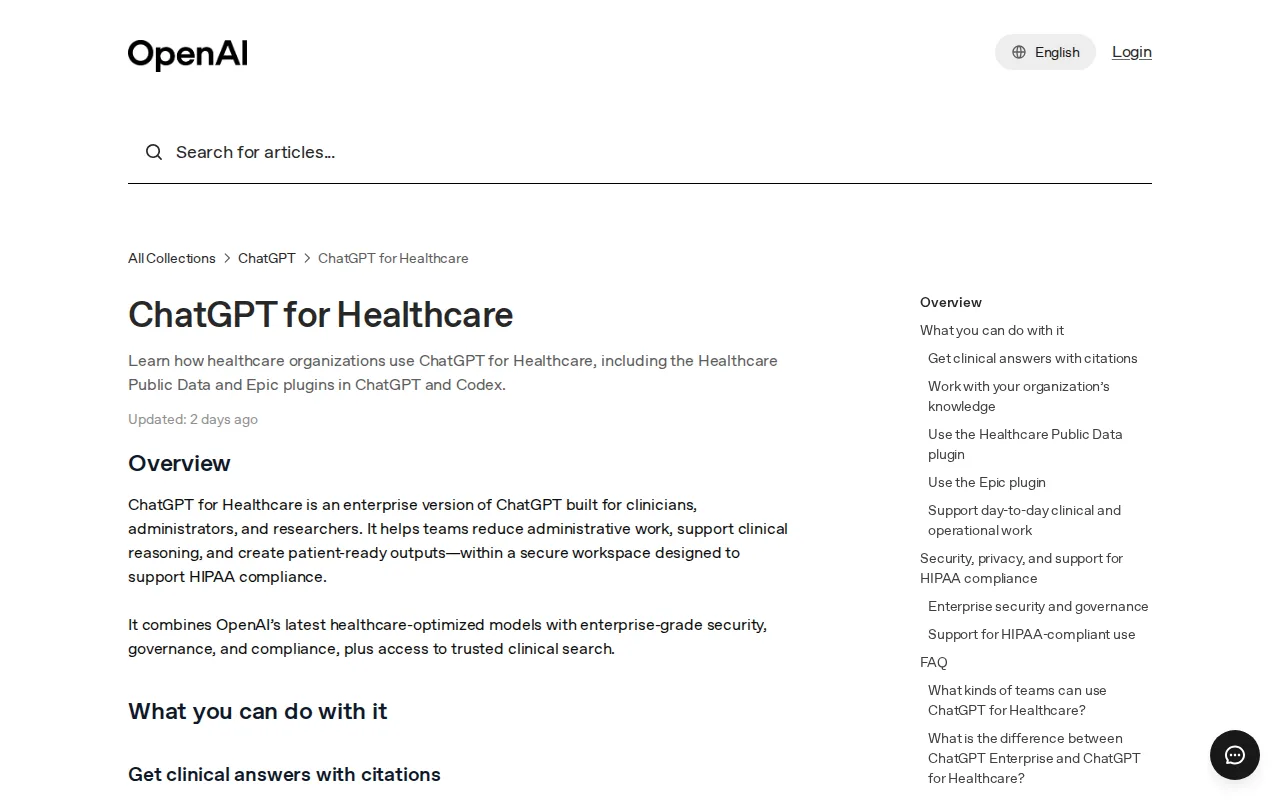
It’s a general-purpose conversational AI option for healthcare settings.
Before using an AI tool with sensitive information, healthcare organizations should confirm the product, agreement, settings, and intended workflow are appropriate for their needs. HIPAA eligibility alone does not determine whether every use is suitable. A qualified IT service provider can help assess requirements, configure and manage the solution, and support staff as workflows change. Implementing it without professional guidance can make it harder to account for privacy, security, and day-to-day operational needs.
4. Emitrr: AI voice, text, and chat for patient communications
Emitrr is an all‑in‑one HIPAA‑compliant communication platform that handles voice calls, SMS, and web chat.
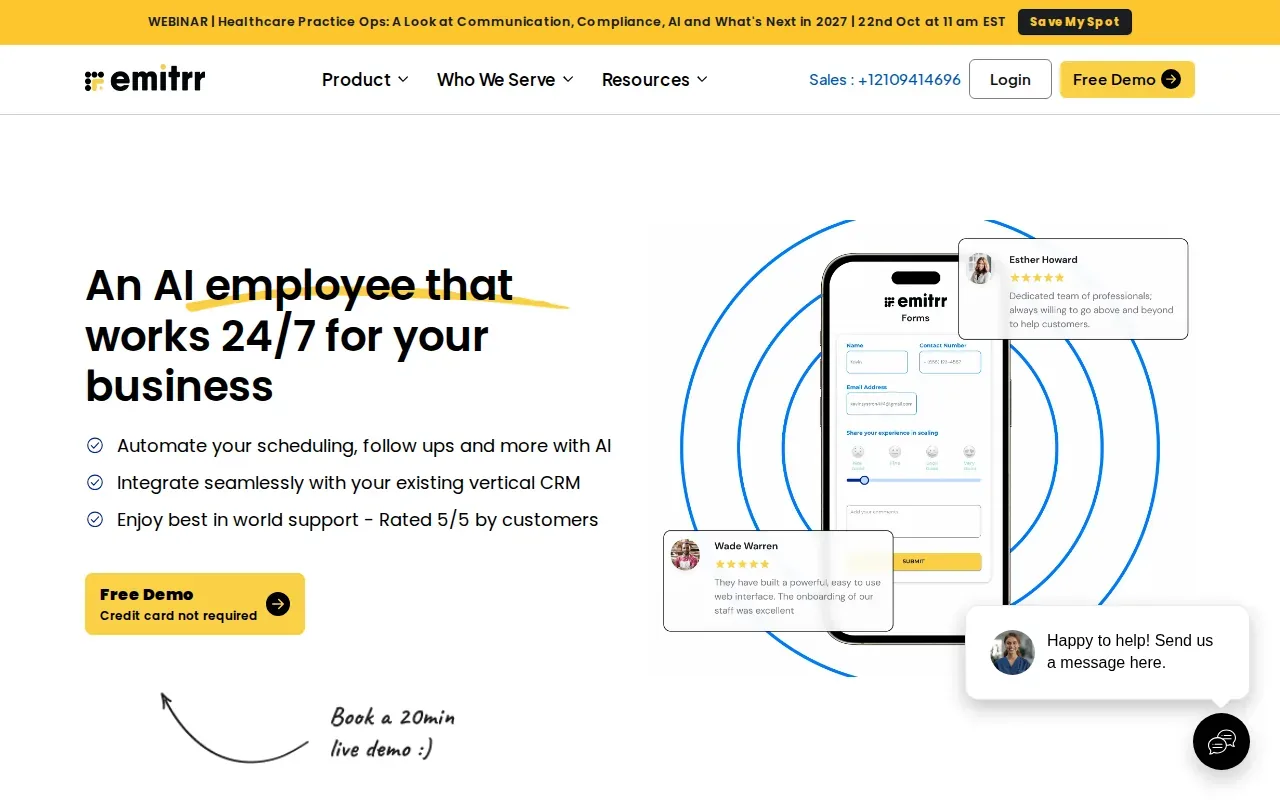
It shines for solo providers, multi‑location groups, dental chains, and pharmacies that need a 24/7 front desk.
The platform uses AI agents to answer common questions, guide callers through appointment scheduling, and capture messages without human intervention. All interactions are encrypted, and the service provides a Business Associate Agreement, meeting the privacy and security rules required for PHI. Emitrr also offers built‑in audit logs, which help you stay audit‑ready.
Because the solution bundles many channels, pricing can be higher than a single‑purpose chatbot.
5. Luma Health AI: Patient engagement and appointment scheduling
Luma Health AI is a patient engagement and appointment scheduling platform that keeps patient data secure under HIPAA guidelines.
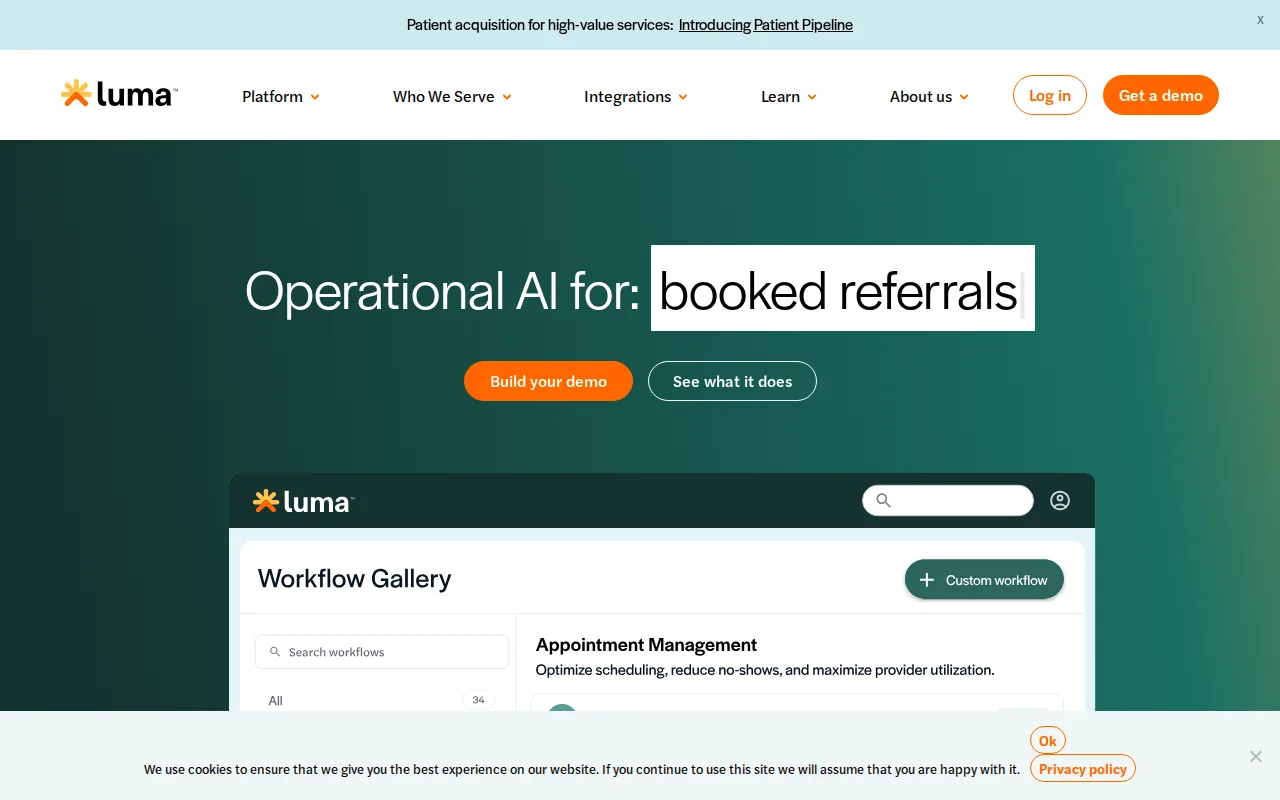
Healthcare organizations can work with a qualified IT service provider to assess implementation needs and manage the solution alongside broader healthcare compliance and cybersecurity practices. Professional guidance can help teams consider workflow fit, implementation complexity, and limitations before adopting an AI tool.
Luma Health AI’s focus is patient engagement and appointment scheduling, so teams should assess whether those capabilities meet their needs.
Compare These HIPAA Compliant AI Tools by Use Case
Below is a quick way to match each tool to the workflow you care about most.
| Tool | Primary AI Capability | Best For | Key Compliance Feature |
|---|---|---|---|
| Suki AI | Clinical documentation assistance | Individual clinicians | BAA, encryption in transit & at rest |
| Microsoft Dragon Copilot | Ambient clinical documentation (AI scribe) | Health systems seeking EHR integration | BAA, HITRUST, FedRAMP, audit logs |
| ChatGPT for Healthcare | General‑purpose conversational AI | Clinicians, admins, researchers | BAA, no PHI training, encryption |
| Emitrr | AI voice, SMS, chat agents | Solo providers, dental chains, pharmacies | BAA, audit logs, role‑based controls |
| Luma Health AI | Patient engagement & scheduling | Hospitals, specialty practices | BAA, end‑to‑end encryption, RBAC |
Key Takeaway: Match the AI capability to the workflow you need most, and double‑check that the vendor offers a signed BAA and audit‑ready logs.
How to Choose the Right HIPAA Compliant AI Tool
- Confirm the vendor signs a Business Associate Agreement.
- Verify encryption at rest and in transit (AES‑256, TLS 1.2+).
- Check for role‑based access controls and audit logging.
- Make sure the tool fits your existing workflow without forcing a redesign.
We can help you run a risk assessment and configure the chosen tool so it stays compliant. Our team at Advatek handles the heavy lifting, from signing the BAA to setting up continuous monitoring.
Frequently Asked Questions
What makes an AI tool HIPAA compliant?
A tool is HIPAA compliant when it has a signed Business Associate Agreement, encrypts PHI in transit and at rest, enforces role‑based access, and maintains tamper‑evident audit logs.
Do I need a BAA for every AI service I use?
A BAA may be needed when an AI service handles PHI on your behalf. Have a qualified IT partner review the vendor and your workflow.
Can I host these AI tools on‑premise?
Most of the listed solutions are cloud‑only SaaS. The market trend shows no major vendor offering on‑premise deployment as of 2026, so you’ll need a qualified IT partner to manage the cloud environment securely.
How do I ensure the AI doesn’t retain patient data for model training?
Look for a vendor statement that PHI is excluded from training data, and ask a qualified IT partner to review how the tool handles patient information.
Is there a difference between encryption standards?
Encryption practices vary by tool. Ask a qualified IT provider to review how patient data is protected in transit and at rest.
Do I need internal IT staff to manage these tools?
While basic configuration can be handled by a tech‑savvy administrator, a managed service like Advatek’s AI automation consulting can help with ongoing compliance, patching, and monitoring.
Choosing the right solution starts with a clear view of your workflow and a solid compliance checklist. If you’re ready to move forward, contact us to run a quick risk assessment and get your AI tool up and running safely.
Download Franchise Information Report
Want to learn more about opening your own franchise? Fill out this form to get started: