
Best Network Security Assessment Services
Finding a blind spot in your network can feel like hunting for a needle in a haystack. Below are five providers you can trust to test your network and tell you where the real gaps are.
1. Rapid7 Managed Cybersecurity: Ongoing attack‑surface assessment
Rapid7 Managed Cybersecurity offers a 24×7 managed XDR service that continuously scans your external and internal assets. The service maps your attack surface, checks for known vulnerabilities, and validates fixes in real time. It is a good fit for midsize enterprises that need constant visibility without building a SOC from scratch. The service brings risk information together across cloud, on‑prem and hybrid environments. Key takeaway: you get a live risk score that updates as new threats emerge.
And because the service runs under a managed model, you can focus on business goals while Rapid7 handles the day‑to‑day monitoring.
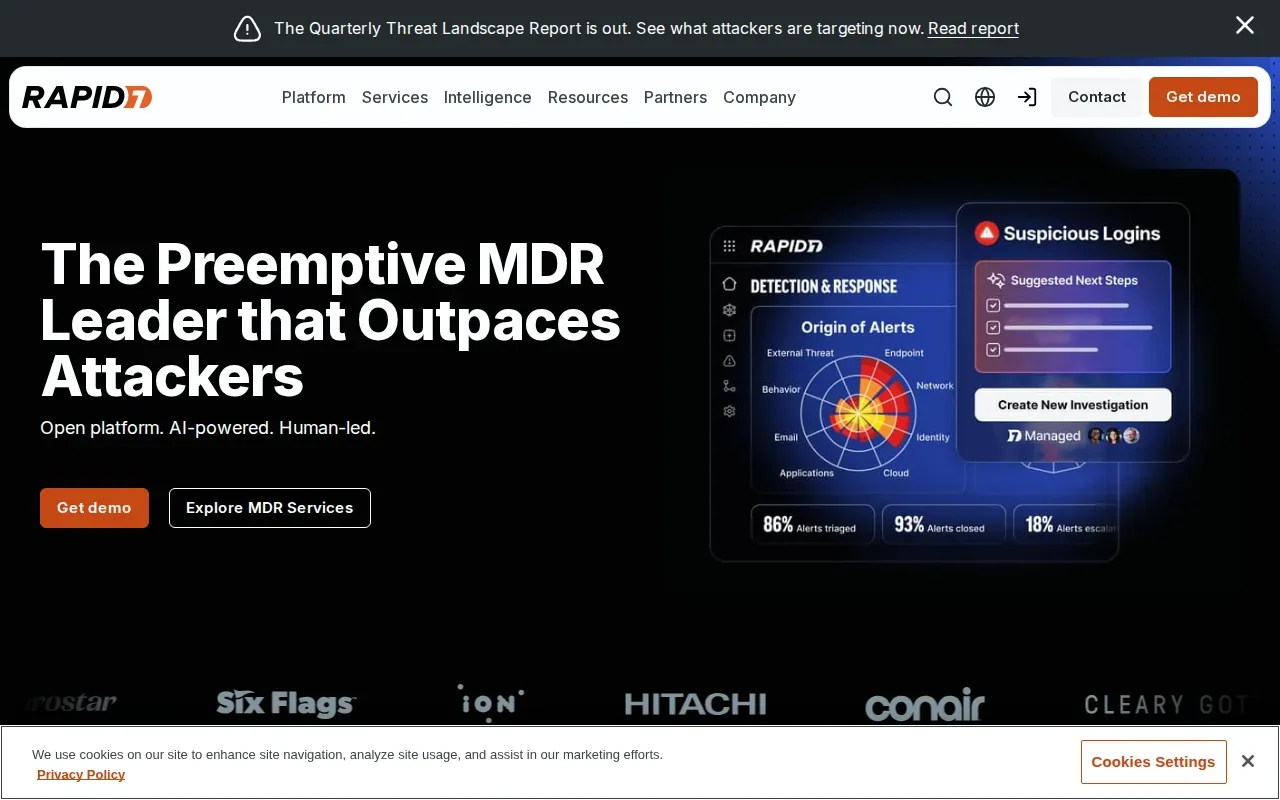
Rapid7’s approach works well for companies that already use its other tools, because the data feeds automatically into existing workflows.
2. The Synack Red Team: Distributed security researchers
The Synack Red Team (SRT) taps a global pool of vetted freelance researchers spanning six continents and more than 80 countries. Each researcher runs manual penetration tests and web‑app checks, then reports findings through a secure portal. This model gives you the depth of a dedicated red‑team without the overhead of hiring full‑time experts. It works especially well for regulated sectors like healthcare, where a human eye can spot logic flaws that automated scanners miss.
Clients often choose SRT when they need a blend of breadth and depth: the platform can test dozens of web apps in parallel, while still delivering detailed proof‑of‑concept exploits. For more on network penetration testing services, see Advatek’s service page.
A caveat: the turnaround time can vary depending on researcher availability, so mission‑critical projects may need to plan for a longer engagement window.
3. Pentera: AI‑powered automated security validation
Pentera runs continuous, automated attack simulations across your entire network. Using AI, the platform selects attack paths from the MITRE ATT&CK framework, tries to exploit them, and reports which controls held or fell. Because it works without installing agents, you can start testing quickly, even in segmented environments.
The service is designed for enterprise security teams that lack the time to run manual pen‑tests every quarter. It gives you a risk‑based priority list, so you can fix the most critical gaps first.
One limitation is that purely automated testing may miss business‑logic flaws that a human tester would find. Pairing Pentera with a manual review gives the most complete picture.
4. Cobalt: Penetration testing as a service
Cobalt pioneered the pentesting‑as‑a‑service (PTaaS) model. You select the assets you want tested (web apps, APIs or AI‑driven services), and a vetted team of researchers runs focused attacks. Results are delivered through a collaborative portal where you can ask follow‑up questions and track remediation.
The platform shines for organizations that need fast, repeatable tests on a regular schedule. Cobalt also offers a “continuous testing” option that runs on a set cadence, keeping your risk profile up to date. Learn more about vulnerability management services.
5. Bishop Fox: Offensive security and continuous testing
Bishop Fox delivers continuous security testing that blends attack‑surface discovery, exploitation, and emerging‑threat checks. Their experts run manual and automated checks, then hand‑over the findings through a portal that also offers a public API for integration with SIEM tools. This keeps your risk view current as new assets appear.
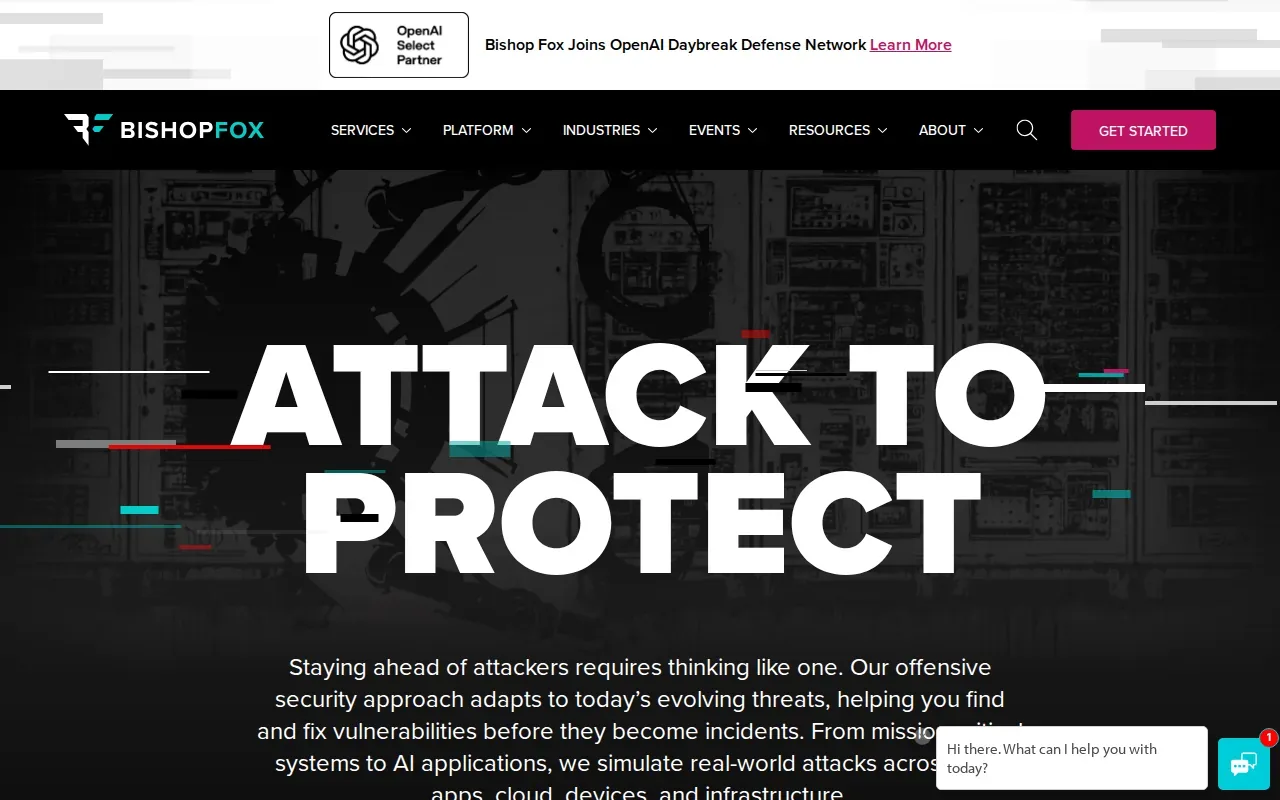
Because the service is managed by seasoned offensive security veterans, you get high‑quality evidence and clear remediation guidance. It works well for enterprises that have complex attack surfaces spanning cloud, on‑prem, and OT environments.
One thing to watch: the managed model can be more expensive than a pure automated scanner, so budget‑conscious teams should weigh the added depth against cost.
Compare the Five Services: Scope, Approach, and Buyer Fit
| Service | Scope | Approach | Ideal Buyer |
|---|---|---|---|
| Rapid7 Managed Cybersecurity | Full‑stack, 24×7 monitoring | Managed XDR with continuous scanning | Mid‑size to enterprise, wants a single vendor |
| The Synack Red Team | Web apps, mobile, host infra | Human‑led freelance red‑team | Regulated firms needing deep manual testing |
| Pentera | Network, endpoints, cloud | AI‑driven automated validation | Large enterprises with limited pen‑test bandwidth |
| Cobalt | Web apps, APIs, AI services | PTaaS platform with on‑demand researchers | Companies that need fast, repeatable tests |
| Bishop Fox | Attack surface, emerging threats | Managed continuous testing + expert analysis | Enterprises with complex, changing environments |
Use this grid to match your risk appetite, budget, and internal skill set.
How to Choose the Right Service
- Define the assets you must protect: are they mostly web apps, internal servers, or a mix?
- Check compliance needs: HIPAA, PCI or other regulations may require human‑led testing.
- Assess internal expertise: can your team handle manual findings, or do you need a fully managed model?
- Set a budget ceiling: automated tools often cost less per test than freelance red‑team engagements.
- Plan for ongoing validation: choose a service that can keep up with new assets and threats.
FAQ: Network Security Assessment Services
What is a network security assessment?
A network security assessment reviews your IT environment to find weaknesses that attackers could exploit. It typically includes scanning, manual testing, and a final report with remediation steps.
How often should I run an assessment?
Most experts recommend at least an annual assessment, plus additional checks after major changes like cloud migrations or new application deployments.
Do I need compliance expertise for a healthcare network?
Yes. HIPAA requires specific administrative, physical, and technical safeguards, so choose a provider that understands the HIPAA Security Rule and can produce a compliance‑focused report.
Can AI replace human testers?
AI can automate many repetitive checks and speed up validation, but it still misses logic flaws and business‑process vulnerabilities that human researchers catch.
What does pricing usually look like?
Most providers price each engagement after a scoping call, based on the number of assets, the testing method and whether the work is a one-off test or a continuous service. Ask for a written scope and quote before you commit.
Conclusion
If you need continuous visibility and AI‑driven validation, Pentera and Rapid7 are strong choices. For deep, manual testing, The Synack Red Team and Bishop Fox deliver expert insight. Cobalt offers a fast PTaaS option for web‑focused workloads. A qualified IT service provider can help integrate these services into a broader security program.
Download Franchise Information Report
Want to learn more about opening your own franchise? Fill out this form to get started: